Ottawa Plumbing Emergencies: What to Do Before Help Arrives
In a plumbing emergency, protect people first, stop the water only if it is safe, and call the appropriate professional or utility. A burst pipe, sewage backup, gas smell, or water near electrical equipment needs a different response; this guide helps Ottawa homeowners choose the next safe step.
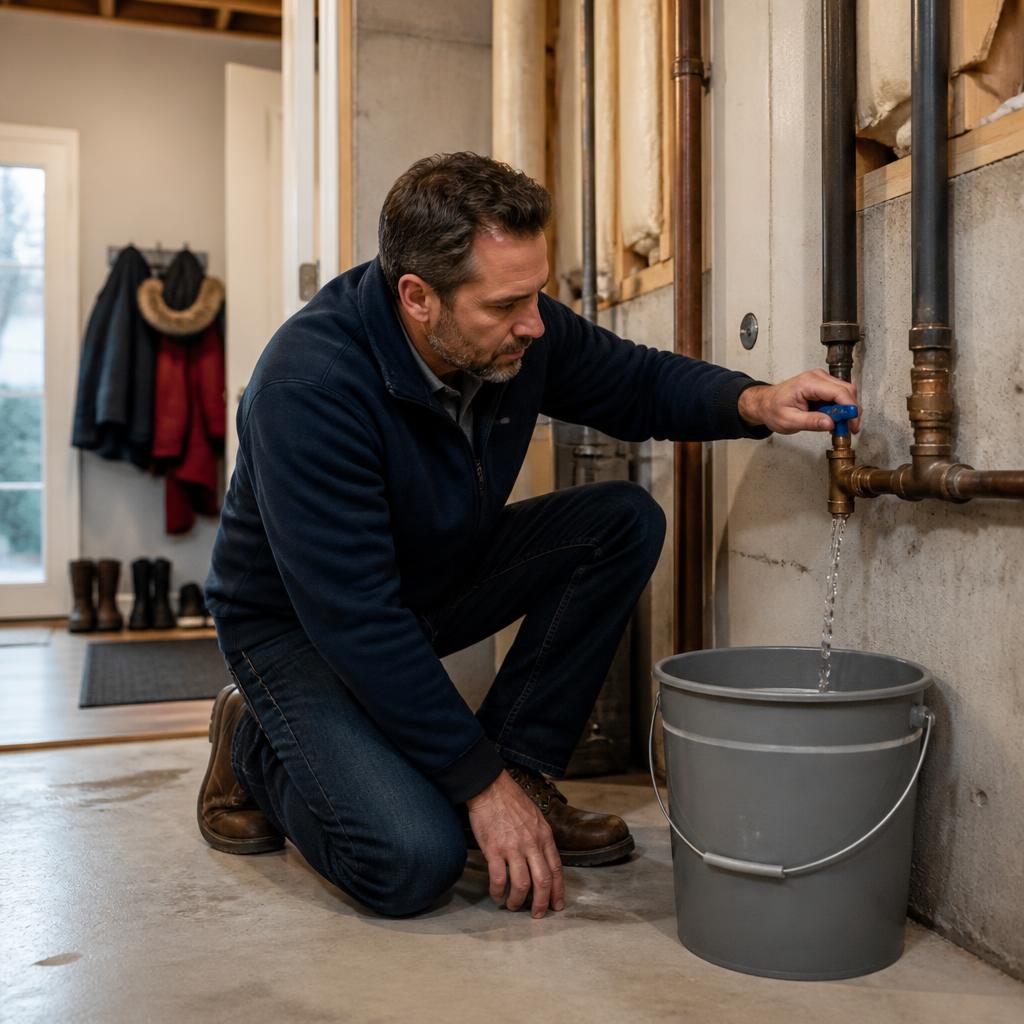
Use this Ottawa plumbing emergency guide as a calm first-response checklist. It explains which symptoms need urgent attention, when to leave the area, what information to give a plumber, and how to document damage without creating additional hazards.
What counts as a plumbing emergency in Ottawa?
A plumbing problem is urgent when it threatens safety, is actively damaging the home, removes access to an essential service, or may affect other properties. Examples include a pressurized burst pipe, water spreading near electrical equipment, sewage entering a living area, a failed water heater leaking onto finished space, or a suspected gas leak. The word “emergency” is about risk and timing, not the size of the repair.
A slow drip into a container, one clogged sink, or a toilet that can be isolated may be urgent but not immediately dangerous. Stop using the affected fixture, protect nearby belongings, and arrange prompt service. If several fixtures stop draining together, the basement floor drain backs up, or wastewater returns through more than one fixture, treat it as a possible main drain or sewer issue and avoid running more water.
If anyone is injured, trapped, exposed to a suspected gas leak, or at risk from electrical contact or structural damage, move to a safe place and contact emergency responders. Do not enter standing water if electrical equipment, wiring, or a panel may be affected. A plumber can assess plumbing; emergency services and utility providers handle life-safety hazards.
What should you do before the plumber arrives?
Start with people, not property. Keep children and pets away from the affected area, avoid wet floors and contaminated water, and do not touch electrical devices while standing in water. If there is no immediate hazard, identify the closest shutoff that controls the affected fixture or the home’s main water supply. Turn it only if the route is dry, accessible, and safe.
If you cannot reach the valve safely, do not force a stuck handle or dismantle a pressurized fitting. Tell the dispatcher what is happening and ask whether the City or utility should also be contacted. For a suspected gas leak, do not operate switches, appliances, or phones inside; leave immediately and call 911 or Enbridge Gas from a safe location.
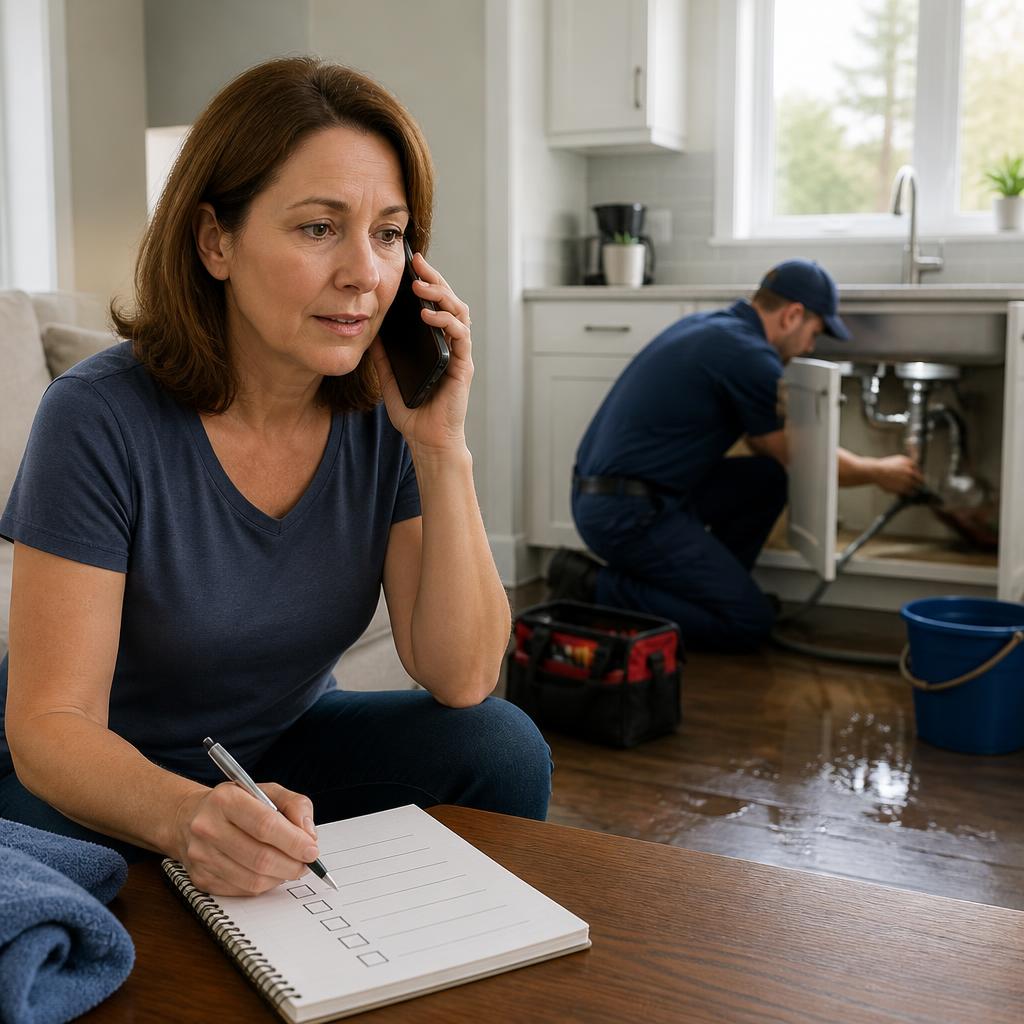
Once the immediate flow is controlled, place a bucket or absorbent material only if it can be done without entering hazardous water. Take a few photos from a safe position, note when the issue began, and record which fixtures were running. Do not delay evacuation, utility calls, or urgent repair just to gather evidence.
A safer emergency response
Follow these steps in order; skip any step that would put someone at risk.
- 01
People
Move household members away from water, sewage, electrical hazards, or gas odours.
- 02
Hazard
Leave and call emergency services or the utility if life safety may be involved.
- 03
Water
Isolate a safe shutoff only if it is dry, accessible, and operates normally.
- 04
Call
Describe the source, location, spread, affected fixtures, and actions already taken.
- 05
Record
Photograph damage from a safe area and keep service and insurance notes.
This is general guidance, not an emergency-response substitute. Follow instructions from 911, the utility, and qualified professionals.
What should you do for a burst pipe or active leak?
If a supply pipe has split, the water may keep flowing until a valve is closed. If safe, turn off the local fixture valve or the main shutoff. If you do not know where the main valve is, tell the responding plumber; searching through a wet basement or reaching behind electrical equipment is not worth the risk. Avoid cutting or puncturing a pipe to drain it.
After the supply is isolated, open a cold tap at a lower level only if the plumber or utility has not advised otherwise and the plumbing is safe to access. This may relieve remaining pressure, but it will not fix a leak. Do not use an open flame, space heater, or hair dryer to thaw a pipe. Frozen or split piping needs a controlled inspection because a crack may be hidden inside a wall or ceiling.
For a leak from a water heater, washing machine, dishwasher, or refrigerator line, close its dedicated valve if accessible and safe, then unplug an appliance only from a dry area. Note whether the leak continues after the valve is closed. That observation can help the plumber distinguish an appliance connection from a branch or main supply problem.
How should you respond to a sewer backup?
Stop using sinks, toilets, showers, laundry, and dishwashers if wastewater is backing up. More water may worsen a blockage. Keep people and pets away from the affected area; sewage can contain contaminants. Do not attempt to clean a major backup without appropriate protective equipment, and do not use a shop vacuum or ordinary household fan on contaminated material.
A single slow sink may point to a local fixture branch; several affected fixtures, gurgling toilets, or water coming up through a basement floor drain can indicate a problem farther downstream. These clues help describe the issue but do not prove where the blockage is. A plumber may need to inspect the building drain or service lateral, while the City can investigate a possible public sewer concern.
Ottawa’s basement-flooding guidance says the City can inspect the nearby sewer main and that the source may instead be the home drain system or a service lateral. Responsibility for a lateral depends on the facts and the section involved. Report suspected basement flooding to the City and ask what to do before authorizing excavation or clearing equipment on an outside sewer line.
When should you leave instead of troubleshooting?
A rotten-egg smell, hissing near a gas appliance or line, or a suspected gas leak is not a routine plumbing call. Leave immediately, do not operate electrical switches or appliances, and call 911 or Enbridge Gas from a safe location. Do not re-enter until responders or the utility say it is safe. The same rule applies if a damaged pipe may have affected a gas line.
Water near an electrical panel, outlets, extension cords, or powered equipment can create a shock hazard. Do not step into it or attempt to turn power off from a wet location. Move away and contact emergency responders or the appropriate utility. A plumber should not be asked to work in an unsafe electrical environment before it has been assessed.
The distinction matters in winter too: frozen pipes can burst as they thaw, but heating a pipe with a torch or electrical appliance can start a fire or damage the line. If a pipe is frozen and inaccessible, shut off water only if safe, keep people clear, and ask a qualified professional how to proceed.
What should you tell an emergency plumber?
Give the dispatcher the address, a call-back number, the type of property, and a concise description of the symptom. Explain whether water is still flowing, which fixtures are affected, whether sewage is present, whether the main shutoff is closed, and whether the issue is near electrical equipment. If a gas odour is present, leave and contact the utility or 911 before arranging ordinary plumbing service.
Ask what response window is available, whether there is an after-hours or diagnostic charge, what the initial visit includes, and whether the plumber will explain options and pricing before repair work begins. Confirm that the person arriving is qualified for the work, and ask whether a second trade, utility, or City inspection may be required. Avoid assuming that “24/7” means a guaranteed arrival time unless that is confirmed.
Plumbing Now’s public site lists emergency plumbing among its Ottawa services. Review its published service details and verify current availability, scope, pricing, credentials, and written warranty terms directly. This guide does not rank providers or guarantee a particular response time.
Plumbing Now lists emergency service for Ottawa homeowners; review its emergency plumbing services in Ottawa and confirm current availability and terms directly.
What happens during an emergency plumbing visit?
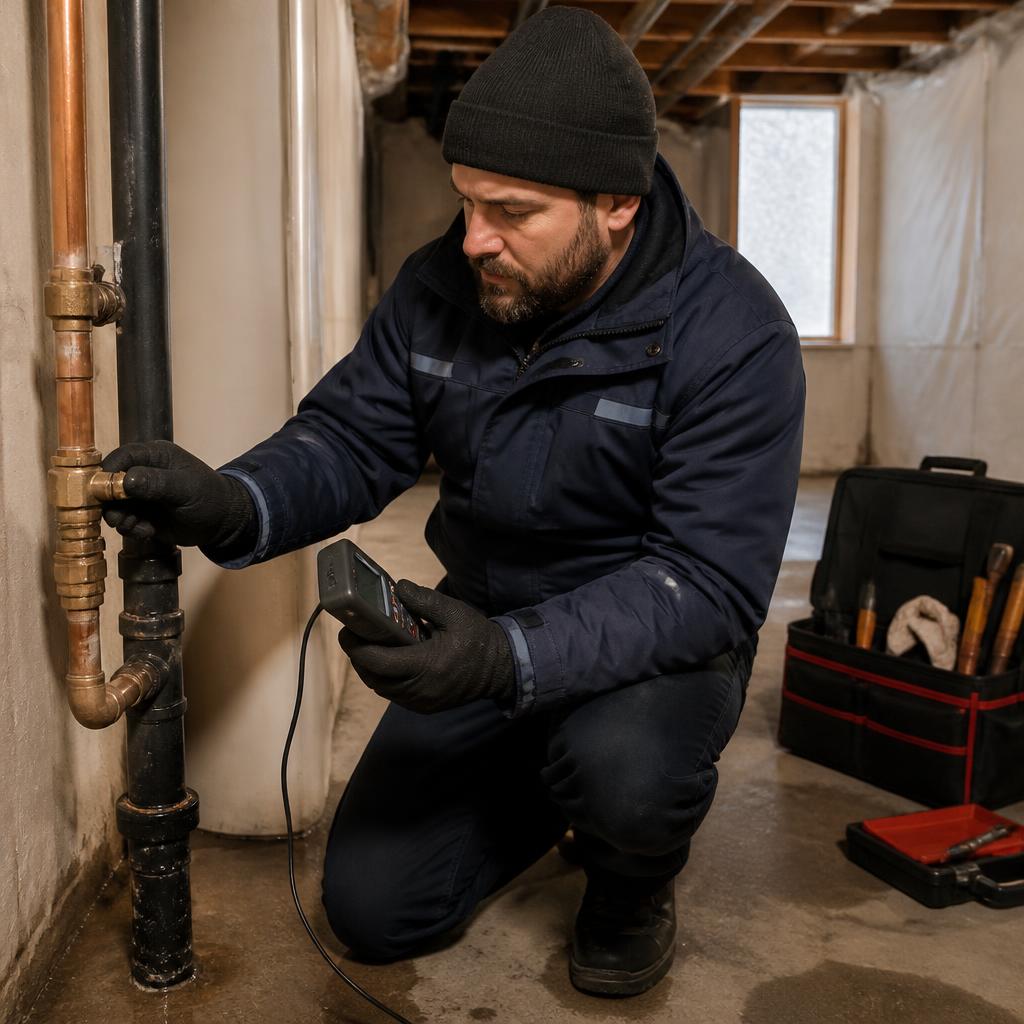
The first goal is usually to make the situation safe and limit further damage. A plumber may confirm the source, isolate the affected section, inspect visible connections, and determine whether immediate stabilization or a larger repair is appropriate. Ask what the diagnosis establishes and what still needs to be opened, tested, or inspected.
Before permanent work begins, request a clear explanation of the repair options, price basis, parts or materials, access needed, and likely disruption. If a hidden condition changes the proposed scope, ask for the change and its price or schedule effect in writing. Keep the original estimate, approved changes, invoice, and any photos or test results together.
An emergency visit may solve the immediate failure without addressing every contributing condition. Ask whether follow-up work is recommended, what can safely wait, and what signs mean you should call again. If the source is a public sewer, shared service line, gas utility, or electrical hazard, ask which organization owns the next step rather than assuming one contractor controls the entire response.
What should you do after the immediate problem is controlled?
Contact your insurer promptly if water or sewage damaged the home, and follow its instructions about cleanup, mitigation, and documentation. Keep receipts for emergency service, drying equipment, temporary accommodation, or damaged materials. Photograph affected rooms and items before disposal where it is safe and practical to do so.
Ask the plumber for an itemized invoice describing the diagnosed cause, work completed, materials, testing, and any remaining recommendation. Keep notes about the date, who attended, what was shut off, and what the City or utility said. If a service lateral may be involved, keep the City’s reference number and any inspection records.
Before restoring walls or flooring, confirm that the source is addressed and that the space is dry enough for reconstruction. A quick cosmetic repair over an unresolved leak or sewer issue can hide continuing damage. This is a homeowner planning guide, not legal, insurance, or emergency-response advice; confirm coverage and technical decisions with the appropriate professionals.
Inside an Ottawa plumbing emergency
Ottawa Plumbing Emergencies FAQ
What should I do first in a plumbing emergency?
Move people away from hazards, leave if gas or electrical danger is possible, and call emergency responders or the utility when needed. If the area is safe, isolate water at a reachable shutoff and contact a qualified plumber.
When should I call an emergency plumber in Ottawa?
Call urgently for an active burst pipe, uncontrolled leak, sewage backup, or loss of an essential plumbing service. If there is a suspected gas leak, fire, injury, or electrical hazard, contact emergency responders or the utility first.
Should I turn off the main water valve?
Only if the valve is accessible from a dry, safe location and can be operated without force. Do not enter standing water or reach near electrical equipment to reach it.
What if sewage is coming up through a basement drain?
Stop using water, keep people and pets away, and contact a plumber. Report suspected basement flooding to the City of Ottawa because the cause may involve a home drain, service lateral, or public sewer.
What should I do if I smell gas near plumbing?
Leave immediately, do not use switches or appliances, and call 911 or Enbridge Gas from a safe location. Do not re-enter until responders or the utility say it is safe.
Does this guide recommend one Ottawa plumber as the best?
No. It references Plumbing Now as one local service provider, but it does not independently rank plumbers. Check current qualifications, availability, written scope, pricing, and warranty terms before authorizing work.