Ottawa Backwater Valve Installation
A practical Ottawa guide to sanitary backwater valves, installation planning, permits, inspections, City rebates, and the questions to settle before basement concrete is opened.
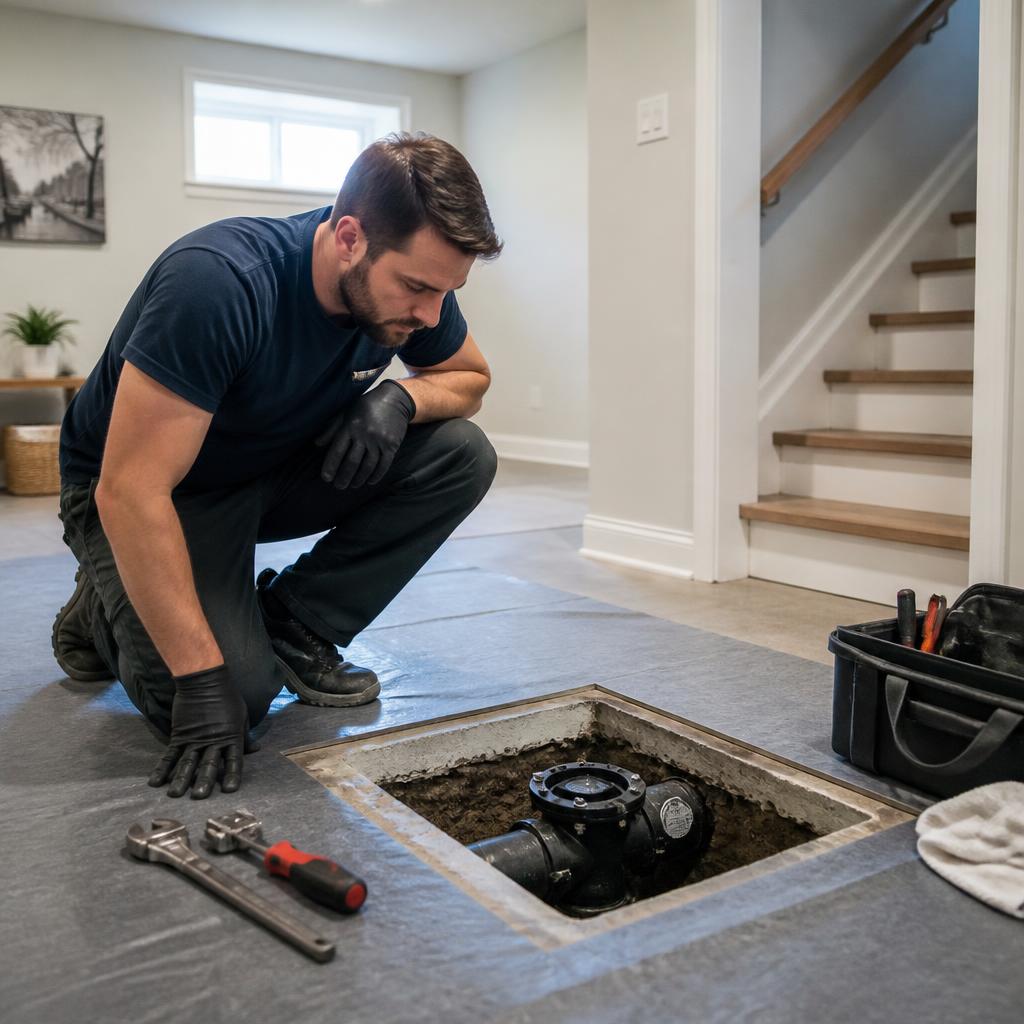
A backwater valve can help reduce the risk of sewage entering a home through protected basement drains when the municipal sewer reverses. The useful first step is not picking a device from a catalogue; it is understanding which drain line needs protection, what the City requires, and how the valve will remain reachable after the work is finished.
What a backwater valve protects—and what it cannot
A backwater valve is installed on a building drain or sewer line. During ordinary operation, its moving flap allows wastewater to leave the home. If wastewater tries to flow in the opposite direction from a surcharged municipal sewer, the flap is designed to close and help limit reverse flow into the parts of the home connected on the protected side. It is a specific safeguard against a specific pathway, not a general basement waterproofing system.
That distinction matters in Ottawa because a wet basement can have several causes. A valve does not repair a foundation crack, correct grading, stop groundwater, seal a window well, or keep a failed sump pump running. It also cannot accept household wastewater while the flap is closed. During a sewer backup, occupants may need to stop using toilets, showers, sinks, dishwashers, and laundry fixtures that discharge into the closed line until normal flow returns.
Before requesting an installation quote, write down which fixtures are below street level, where water appeared, whether it smelled like sewage, and whether the event followed heavy rain or another plumbing symptom. This history helps a qualified professional distinguish reverse flow from a blocked drain, a damaged sewer lateral, surface water, or a sump-pump problem. Ottawa homeowners comparing systems can also review the site’s basement bathroom plumbing guide for related questions about lower-level fixtures and drainage.
The valve’s job is one part of the flood picture
Use the flow direction to frame the conversation; the site layout determines which fixtures are actually protected.
- 01
Normal drainage
Household wastewater moves outward toward the municipal sewer.
- 02
Sewer surcharge
Reverse pressure can push the valve flap toward its closed position.
- 03
Protected line
The device may limit reverse flow through connected fixtures on the home side.
- 04
Other water paths
Groundwater, grading, foundation leaks, and sump failure need separate solutions.
Conceptual homeowner diagram only; it is not a plumbing plan or a guarantee that every fixture is protected.
Sanitary and storm valves address different drainage paths
A sanitary backwater valve is associated with the sanitary building drain, which carries wastewater from household fixtures. A storm valve relates to storm drainage. The correct choice depends on the property’s connections and the problem being addressed; “install a backwater valve” is not a complete scope until the line, protected fixtures, location, and required device are identified. A homeowner should not assume that one valve protects every floor drain or branch in the basement.
Where branches join matters. If a basement bathroom, laundry standpipe, or floor drain connects to the building drain on a different side of the proposed valve, its protection may differ. A professional assessment should map the relevant fixtures and explain what would remain outside the protected section. It should also distinguish a mainline valve from a fixture-level device and clarify how an existing cleanout or access point affects the design.
The City of Ottawa describes a normally open backwater valve for new single, semi-detached, row-house, and townhome construction on sanitary service laterals. Its inspection guidance says the device must be within the dwelling and accessible for inspection and maintenance. This new-construction requirement should not be misread as proof that every existing house has the same retrofit obligation. For existing work, ask the City or permit professional which rules apply to the specific project.
Assess the property before choosing the installation point
A useful site review starts with the property, not with a standard device recommendation. The professional needs to understand the building drain route, accessible cleanouts, lower-level plumbing fixtures, prior renovations, basement finishes, and any past backup or recurring blockage. An older house, a finished basement, or a tight mechanical room can change how the route is located and how a future service opening is positioned. Photos of floor drains, cleanouts, mechanical equipment, and the areas where water appeared can help frame an initial conversation.
If the line cannot be confidently located from visible access, a camera inspection or other diagnostic step may be proposed. Camera footage can help show the portion of pipe it can reach, deposits, roots, standing water, breaks, offsets, or a route that affects valve placement. It has limits: it does not inspect every hidden branch or explain foundation seepage, site grading, or every source of flooding. Ask what the diagnostic can confirm, what remains unknown, and whether a sewer repair or cleaning should be considered before a new valve.
The assessment should also cover how the floor will be opened and restored, the amount of disruption, the path for removing concrete, dust control, access for equipment, and the finished cover location. If the basement is being renovated, coordinate this planning before new flooring, cabinetry, or walls make the relevant plumbing harder to reach. The site’s sump-pump repair guide can help separate groundwater and pump questions from sanitary sewer backup concerns.
Four checks before the project scope is fixed
A written scope should connect what the homeowner reports to what the plumbing assessment can verify.
- 01
Fixtures
List lower-level drains and fixtures, including any recent basement changes.
- 02
Pipe route
Locate the relevant line and note cleanouts, branches, and existing devices.
- 03
Access
Plan excavation, future inspection access, concrete repair, and finished flooring.
- 04
Evidence
Separate signs of reverse flow from blockages, pipe damage, or other water entry.
This planning sequence is a discussion aid. The installer and City determine technical requirements for the property.
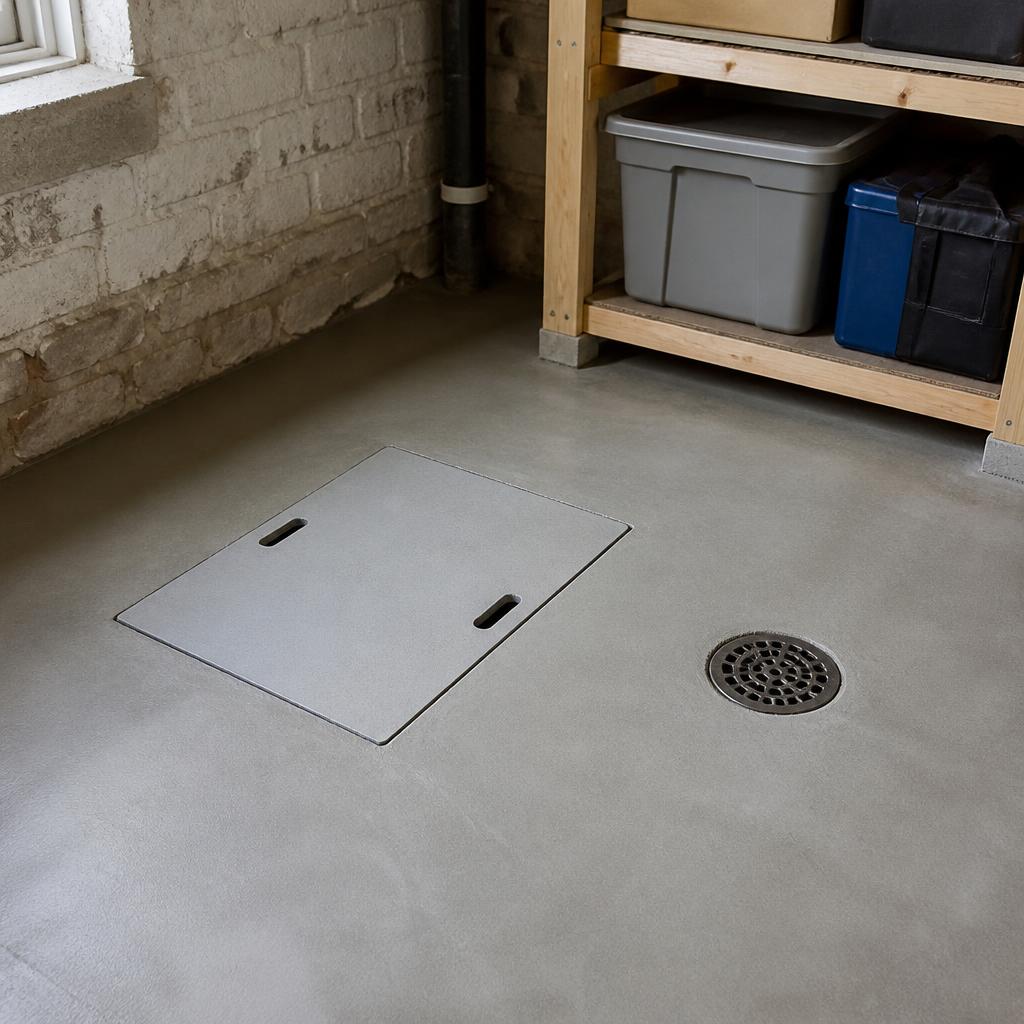
Ottawa permits and inspections belong in the plan
The City’s backwater-valve permit page provides the requirements and review process for relevant building work. It says permit plans should include detailed, legible drawings, identifies an inspection of the normally open valve, and requires the installed valve to remain accessible inside the dwelling. The City’s protective-plumbing rebate page separately says to obtain a building permit before construction or renovation covered by the program, arrange the required inspection after the work, and retain the inspection report.
Ask who is responsible for confirming permit applicability, submitting drawings, booking inspection, and supplying the documents needed for any rebate application. Keep the permit number, approved plans, inspection outcome, paid itemized invoice, and product information together. A verbal assurance that “the paperwork is handled” is less useful than a written scope that names the responsible person and states which documents you will receive.
For a new dwelling, Ottawa states that sanitary backwater valves are required for single, semi-detached, row-house, and townhome units. Existing properties can differ by building work, permit conditions, and current code. Do not rely on a generic online article as a substitute for an answer from the City of Ottawa or the professional responsible for the permit. Before work begins, confirm the current requirements against the official City of Ottawa source linked at the end of this guide.
What a professional installation typically involves
The sequence varies with the property, but a complete project generally moves from assessment to permit confirmation, locating the building drain, opening the required section of floor, and verifying the pipe before placement is finalized. The valve must be compatible with the intended line, oriented for normal outward flow, installed to the applicable specifications, and positioned so that it can be inspected and cleaned later. The installer should explain any discoveries that change the original scope before proceeding with additional work.
After installation, the work should include a suitable operational check, arranging the required City inspection, documenting what was installed, and restoring the floor while preserving service access. Ask whether floor finishing is included or excluded, what the cover will look like, and how to find and open it. If a camera inspection was included, ask for the report or footage and a plain-language explanation of what it did and did not show.
This is not a do-it-yourself project for an occupied home. Work on a building sewer can expose occupants and workers to sewage, can require opening the slab, and may be subject to permit and inspection rules. If the drain is blocked, the pipe is broken, or the existing layout differs from the assumption, continuing without reassessing the scope can leave the underlying issue unresolved. Get a written change description before authorizing work beyond the agreed plan.
Ottawa rebate eligibility and maximum amounts
The City of Ottawa’s Residential Protective Plumbing Program lists maximum rebates for qualifying protective plumbing work. The City states it rebates the lesser of the applicable maximum or the cost of the work, so a published cap is not a promised payment. Current eligibility includes a residential property within Ottawa, construction-date cutoffs for storm and sanitary backwater valves, and work not installed by the City. The property owner applies after completion and supplies ownership evidence, permit and inspection documents, and a paid itemized invoice.
The City’s page currently lists an indoor sanitary backwater valve maximum of $1,000, a storm backwater valve maximum of $1,000, an outdoor storm backwater valve maximum of $2,500, and 100% of the current plumbing-work building-permit fee. It says properties must have been built before January 1, 2012 for a sanitary-valve rebate, or before January 1, 2004 for a storm-valve rebate. Maintenance, repair, and replacement of existing protective plumbing devices are not eligible under the listed rebate rules.
There is an important timing detail: the page’s update says that, effective July 1, 2026, the completion and application window changed from 12 to 18 months. A lower application checklist on that same page still says 12 months. Because the official page contains both statements, confirm the applicable deadline directly with the City before scheduling or relying on a rebate. Check the current program page again at the time of application; program requirements and amounts can change.
| Eligible work listed by City | Maximum shown | Important qualification |
|---|---|---|
| Indoor sanitary backwater valve | $1,000 | Property must meet the City’s age and other eligibility rules. |
| Storm backwater valve | $1,000 | City lists a pre-January 1, 2004 construction cutoff. |
| Outdoor storm backwater valve | $2,500 | Confirm project and device eligibility with the City. |
| Plumbing-work building permit | 100% of current fee | The City says payment is the lesser of the cap or actual cost. |
How to evaluate a backwater valve installer in Ottawa
Ask each plumbing professional to explain the proposed valve type, the line it will protect, how the location was chosen, what the diagnostic work can establish, which permit and inspection steps apply, and what remains outside the protection boundary. A useful estimate separates labour, materials, concrete opening and restoration, camera work, permit-related tasks, and any exclusions. It should state how change orders are approved and what records will be handed over.
Lister Plumbing’s own website describes the business as licensed, insured, Red Seal certified, and reports more than 15 years of plumbing experience in Ottawa. Its site also uses the phrase “Ottawa’s top master plumber,” which is the company’s own positioning, not an independent local ranking. Homeowners can review its published backwater-valve service details as one local option, then compare its written scope and credentials with other qualified providers.
The best choice is not established by a title or an article link. Verify current credentials, insurance, permit responsibilities, references relevant to this type of work, and what the quote includes. Ask how the installer will protect finishes, handle unexpected pipe conditions, preserve access, and explain the rebate documents without promising that the City will approve an application.
For a company’s own service details, review Ottawa backwater valve installation. This is one provider reference, not an independent ranking or endorsement.
Plan for access, maintenance, and a backup event
The final location should be easy to identify and should not be hidden under permanent flooring, built-in cabinetry, or stored items. Keep the installation paperwork, permit and inspection record, product details, and maintenance instructions where future owners can find them. Follow the manufacturer’s instructions and ask the installer what inspection and cleaning schedule suits the selected device and the home; avoid forcing a flap or opening a cover during an active sewage backup.
If the valve closes during a sewer event, household wastewater may not be able to leave the home through the protected line. Reduce or stop water use and follow the installer’s and City’s guidance until the reverse-flow condition has passed. If a backup repeats, the valve is dirty or damaged, or drainage changes, arrange a qualified assessment rather than assuming that the device has failed or that replacing it is automatically the right fix.
For a broader basement plan, inventory the other ways water could enter: roof runoff, window wells, foundation seepage, grading, and sump-pump operation. A backwater valve may be one useful layer, but the best plan addresses the actual pathways observed at the property. Revisit the Ottawa basement plumbing guide and the related sump-pump repair guide if the symptoms point to another system.
Three checks before the room closes.
Map the route
Name the fixture, drain, vent, floor, and access conditions before the finish is chosen.
Confirm the work
Separate building, plumbing, electrical, use, and inspection questions with the right source.
Protect the future
Keep pumps, shutoffs, cleanouts, and service records reachable after the room is complete.
Ottawa Backwater Valve Installation FAQ
Are backwater valves required in every existing Ottawa home?
The City states that new single, semi-detached, row-house, and townhome dwellings require sanitary backwater valves. That does not establish one universal retrofit rule for every existing home. Confirm permit and code requirements for the specific property and scope.
How much does Ottawa pay for a backwater valve rebate?
The current City program page lists up to $1,000 for an indoor sanitary valve, up to $1,000 for a storm valve, and up to $2,500 for an outdoor storm valve. The rebate is the lesser of the cap or cost, subject to eligibility and documentation.
Is the City rebate deadline 12 or 18 months?
The page’s update says 18 months effective July 1, 2026, but its lower checklist still says 12 months. Confirm the deadline with the City before relying on it.
Can one valve protect every basement drain?
Not necessarily. Protection depends on the actual plumbing branches and where they connect relative to the valve. Ask the installer to identify protected fixtures and any unprotected pathways in writing.
Will a backwater valve prevent all basement flooding?
No. It addresses a sanitary or storm reverse-flow pathway as designed. Groundwater, foundation leaks, surface runoff, and sump-pump failure need separate investigation and may require different measures.
The next useful question.
See the factors that change an estimate and how to compare a written scope.
Ottawa basement bathroom plumbingReview drainage choices and plumbing considerations for lower-level bathrooms.
Sump-pump repairs in BarrhavenSeparate sump-pump concerns from municipal sewer backup risks.