Ottawa Backwater Valve Cost
Understand the site, concrete, permit, inspection, and restoration details that shape an Ottawa backwater valve estimate—without relying on a misleading one-price-fits-all range.
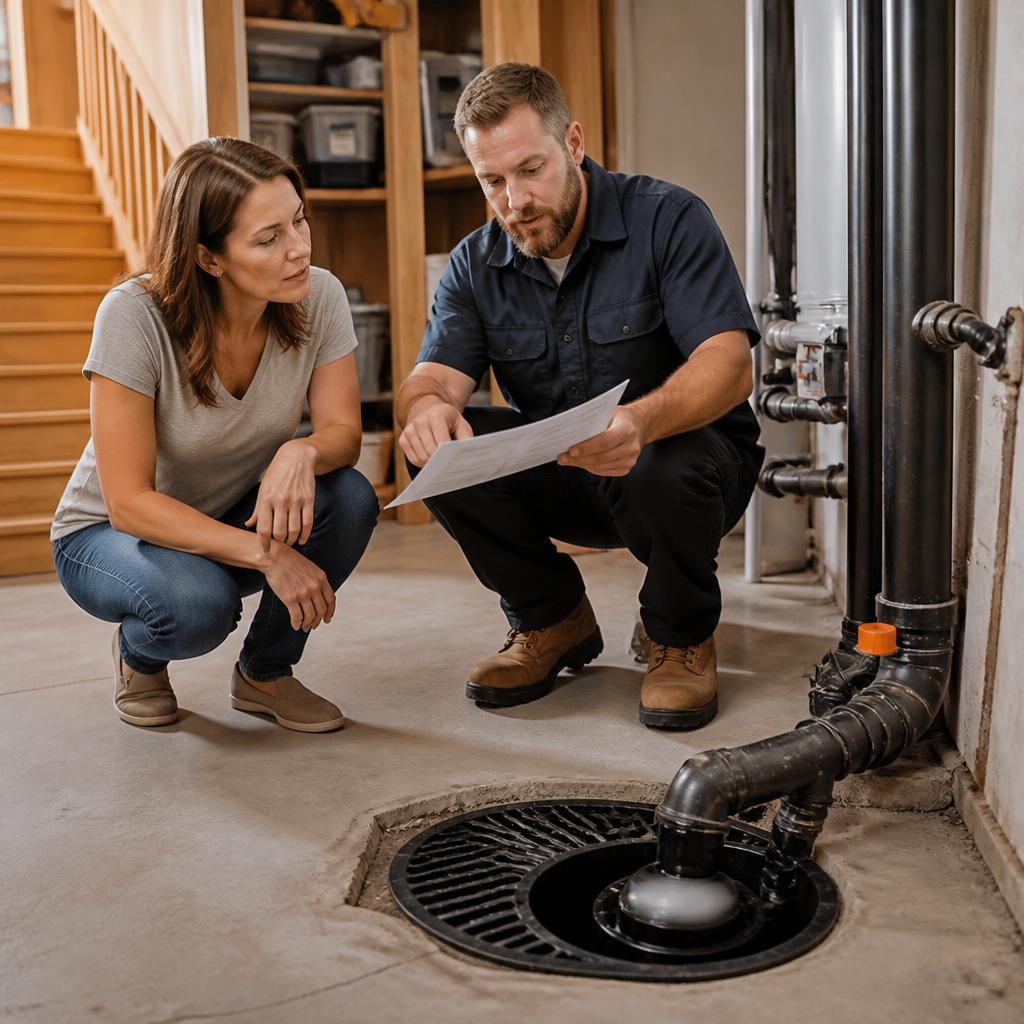
Homeowners searching for backwater valve cost in Ottawa often want a simple number. A responsible estimate depends on the drain layout, existing pipe condition, valve location, access, excavation and floor restoration, diagnostics, and the City process. This guide explains what to compare, what rebate caps do and do not mean, and which questions can prevent scope surprises.
Why there is no dependable single price for every Ottawa home
A backwater valve project is not just the price of a fitting. The estimate can include locating and assessing a buried building drain, opening concrete, working around existing fixtures or finished rooms, installing and checking the device, arranging permit and inspection steps, and restoring the floor. Two houses that look similar from the street can have different sewer routes, cleanout access, pipe condition, and basement finishes. Those differences change the labour and restoration scope.
Because project prices depend on an on-site assessment and a defined scope, this guide does not publish a local price range that it cannot verify against current Ottawa quotes. A low headline figure may exclude camera work, concrete removal, permits, inspection coordination, disposal, backfill, restoration, or taxes. A useful comparison starts with the same assumptions on each quote and makes exclusions visible.
The first question is not “What does the valve cost?” but “What work is needed to protect the intended fixtures, and what needs to happen before the finished floor is closed?” If you have recurring water issues, compare a valve assessment with the actual symptom. The site’s basement bathroom plumbing article explains related lower-level drainage choices, while the installation guide covers the process and City requirements.
Four scope areas that shape a project estimate
Use these categories to compare written proposals rather than choosing by a headline number.
- 01
Access
Cleanouts, finished flooring, slab opening, and room to work.
- 02
Pipe condition
Existing blockages, roots, damage, or a route that needs more diagnosis.
- 03
Installation
Device, placement, connection work, testing, and required documentation.
- 04
Closeout
Concrete restoration, inspection access, cleanup, and handover records.
This is a quote-comparison framework, not an Ottawa price calculator or a substitute for an on-site assessment.
The main factors that can change a backwater valve quote
The drain route and valve location are major variables. An accessible, known building drain may take less exploratory work than a line hidden beneath finished flooring or a complicated basement layout. Existing cleanouts, nearby branches, fixtures below street level, and the intended protection boundary all affect the plan. If the proposed position changes after concrete is opened or the pipe is inspected, ask how the contractor will describe and price the change before proceeding.
Concrete and restoration should be clearly stated. Ask how much floor opening is anticipated, how dust and debris will be contained, whether removal and disposal are included, what backfill and concrete work are covered, and whether finished flooring is part of the estimate. A “restore floor” line can mean different things from one company to another. If the basement has tile, engineered flooring, built-ins, or other finishes, clarify who is responsible for matching and completing those surfaces.
Diagnostics, permits, and closeout work also matter. A camera inspection can provide information about the reachable section of pipe, but it has limits and may identify a separate repair need. Ask whether camera work is included, what recording or report you receive, and which City applications, permit fees, inspection bookings, and documents are included. The City may make the final decision on permit and rebate eligibility; a contractor’s estimate should not describe a rebate as guaranteed.
- Confirm the valve type, location, and fixtures intended to be protected.
- Separate camera inspection, drain cleaning, sewer repair, and valve installation line items.
- List slab opening, debris removal, backfill, concrete finish, and surface flooring separately.
- Identify permit, inspection, and document responsibilities, including any fees.
- Write down exclusions, assumptions, taxes, schedule, and the change-order approval process.
| Quote item | What to ask | Why it matters |
|---|---|---|
| Assessment | What is known about the drain route and condition? | Clarifies what the price assumes and where discovery could change scope. |
| Installation | Which line and fixtures will the valve protect? | Avoids treating the device as blanket basement protection. |
| Concrete and finishes | What is opened, restored, and excluded? | Makes disruption and finish responsibility comparable. |
| Permit and inspection | Who applies, books, and supplies the records? | Supports compliant work and required rebate documentation. |
| Change orders | How are newly discovered problems approved? | Keeps additional repairs transparent before work expands. |
Compare the same scope—not just the total at the bottom
Request a written estimate that names the proposed device and the line it will serve, summarizes the evidence used to select its location, and identifies the fixtures expected to be protected. It should say whether camera inspection, excavation, valve installation, testing, permit application, inspection coordination, concrete restoration, and final cleanup are included. Ask for a separate price or clearly defined allowance for work that may be needed only if the pipe condition differs from the initial assessment.
A lower estimate may be reasonable if it covers a smaller, clearly described scope. It is not automatically better if it leaves out required paperwork, disposal, floor restoration, or the effort to keep the valve accessible. Likewise, the most expensive estimate is not automatically the most complete. Compare the assumptions, qualifications, warranty terms, schedule, insurance, and the process for approval if conditions change.
Ask the contractor to explain what could not be confirmed before the slab is opened. Then ask how the company will document the discovery, present the revised scope, and obtain approval before carrying out additional work. This is particularly important when a camera inspection reveals roots, standing water, a break, an offset, or another condition that may need correction. The homeowner should know whether the original objective remains achievable and what the new work is intended to solve.
How the Ottawa rebate affects—not determines—the budget
The City of Ottawa’s Residential Protective Plumbing Program lists maximum amounts for qualifying work, but these numbers are not a price list or a guaranteed reimbursement. The City says it pays the lesser of the maximum rebate or the cost of the work. The current page lists up to $1,000 for an indoor sanitary valve, up to $1,000 for a storm valve, up to $2,500 for an outdoor storm valve, and 100% of the current permit fee for plumbing work.
Eligibility conditions include being a residential property within Ottawa, meeting the construction-date cutoff for the specific type of valve, and completing qualifying work that was not installed by the City. The current program page lists January 1, 2012 as the sanitary-valve cutoff and January 1, 2004 for storm-valve work. It also says repairs, maintenance, or replacement of an existing protective device are not eligible. Confirm the project’s eligibility and application documents with the City before deciding that an estimated rebate belongs in the budget.
The application deadline needs special care. The page’s update says that from July 1, 2026 the completion and application period is 18 months, but its later application checklist still states 12 months. Because those two statements conflict, contact the City to confirm the correct timing for your permit and project. A plumber may help with records, but the City—not the installer—decides whether a property, device, invoice, and application qualify.
| Program item | Maximum listed | Budgeting note |
|---|---|---|
| Indoor sanitary valve | $1,000 | Subject to eligibility and actual cost. |
| Storm valve | $1,000 | Confirm whether the planned device and property qualify. |
| Outdoor storm valve | $2,500 | The City makes the final eligibility decision. |
| Plumbing building permit | 100% of current fee | The listed rebate is not a promise of full project reimbursement. |
Choosing a local installer without relying on rankings
Ask for proof of current credentials and insurance, a description of similar work, references you can contact, and a named person responsible for permits, inspection, and handover. Ask how the company determines which branches will be protected, how it will keep the access cover serviceable, and what happens if the existing sewer is damaged. These project-specific answers are more useful than an unsupported “best plumber” label.
Lister Plumbing’s website describes its business as licensed, insured, and Red Seal certified, and reports more than 15 years of plumbing experience in Ottawa. The site also calls it “Ottawa’s top master plumber”; that is a company self-description, not evidence of an independently measured number-one ranking. Homeowners can review its published estimate and installation information as one local service option, then use the same written-scope questions with any provider they consider.
A neutral comparison should include the proposed valve, discovery assumptions, camera inspection or other diagnostics, concrete and finish work, permit and inspection responsibilities, schedule, payment terms, warranty coverage, and the records provided at completion. Ask whether the estimate includes only a sanitary line, whether storm protection is a separate scope, and whether household water use must stop while the valve is closed during a backup.
For one local provider’s published scope, see a backwater valve installation estimate in Ottawa. Treat it as a provider reference, not a third-party ranking or guaranteed quote.
Maintenance, access, and costs after the valve is installed
A valve needs to remain accessible. Before finalizing the project, agree where the cover will sit, how it will be opened, what must stay clear around it, and what the homeowner should expect from an inspection. Keep the permit, inspection report, invoice, device details, and maintenance instructions with the house records. Follow the manufacturer and installer instructions; do not assume an arbitrary cleaning interval is right for every model or home.
Do not build a budget around a future failure or replacement, but do ask what maintenance is recommended, whether the installer offers inspection visits, and what conditions might require a service call. The City’s current rebate page says maintenance, repair, and replacement of existing protective devices are not eligible for the listed program. This means a homeowner should not count on a new rebate to offset ongoing maintenance or replacement costs.
If the property has several potential water paths, budget discussions may need to include more than the backwater valve. Sump-pump reliability, foundation drainage, surface grading, window wells, and sewer condition are separate topics. Review the website’s sump-pump repair guide when symptoms point to groundwater management, and use the Ottawa installation guide for a deeper look at permits, inspections, and installation planning.
Three checks before the room closes.
Map the route
Name the fixture, drain, vent, floor, and access conditions before the finish is chosen.
Confirm the work
Separate building, plumbing, electrical, use, and inspection questions with the right source.
Protect the future
Keep pumps, shutoffs, cleanouts, and service records reachable after the room is complete.
Ottawa Backwater Valve Cost FAQ
What is the average backwater valve installation cost in Ottawa?
There is no single reliable average for every Ottawa property. Access, pipe condition, diagnostics, concrete work, restoration, permits, and inspection scope change the total. Compare itemized estimates based on the same assumptions.
Does the Ottawa rebate cover the full installation?
Not necessarily. The City says the rebate is the lesser of the program maximum or the eligible work cost, and applicants must meet the requirements. Ask the City to confirm your specific eligibility.
Does camera inspection always come with installation?
No. Ask whether it is included, what portion of the drain can be viewed, and whether you receive footage or a report. The findings may affect scope, but a camera cannot assess every source of basement water.
Can I compare quotes that have different restoration allowances?
Only after clarifying the difference. Ask each provider to specify floor opening, debris removal, backfill, concrete restoration, and finish flooring so you understand the actual work and exclusions.
Will a backwater valve reduce the value of my insurance premium?
Do not assume so. Coverage and discounts depend on the insurer and policy. Ask your insurer directly what documentation it needs and whether the device changes your coverage or premium.
The next useful question.
Review the project sequence, permit questions, and local rebate details.
Ottawa basement bathroom plumbingExplore related lower-level drainage and fixture planning.
Sump-pump repairs in BarrhavenUnderstand the separate role of sump pumps in basement water management.