Sump pump repairs in Barrhaven: signs, safety and next steps
For sump pump repairs in Barrhaven, start by recording the symptom—not guessing which part has failed. If your pump will not start, runs long after rain, or cycles repeatedly, note when it happens and whether water is rising. A pump, float switch, power supply, check valve, discharge route, or incoming water can produce similar signs. This guide covers safe observations, what a plumber should diagnose, and how to compare repair, replacement, and backup options without assuming every home has the same drainage conditions.
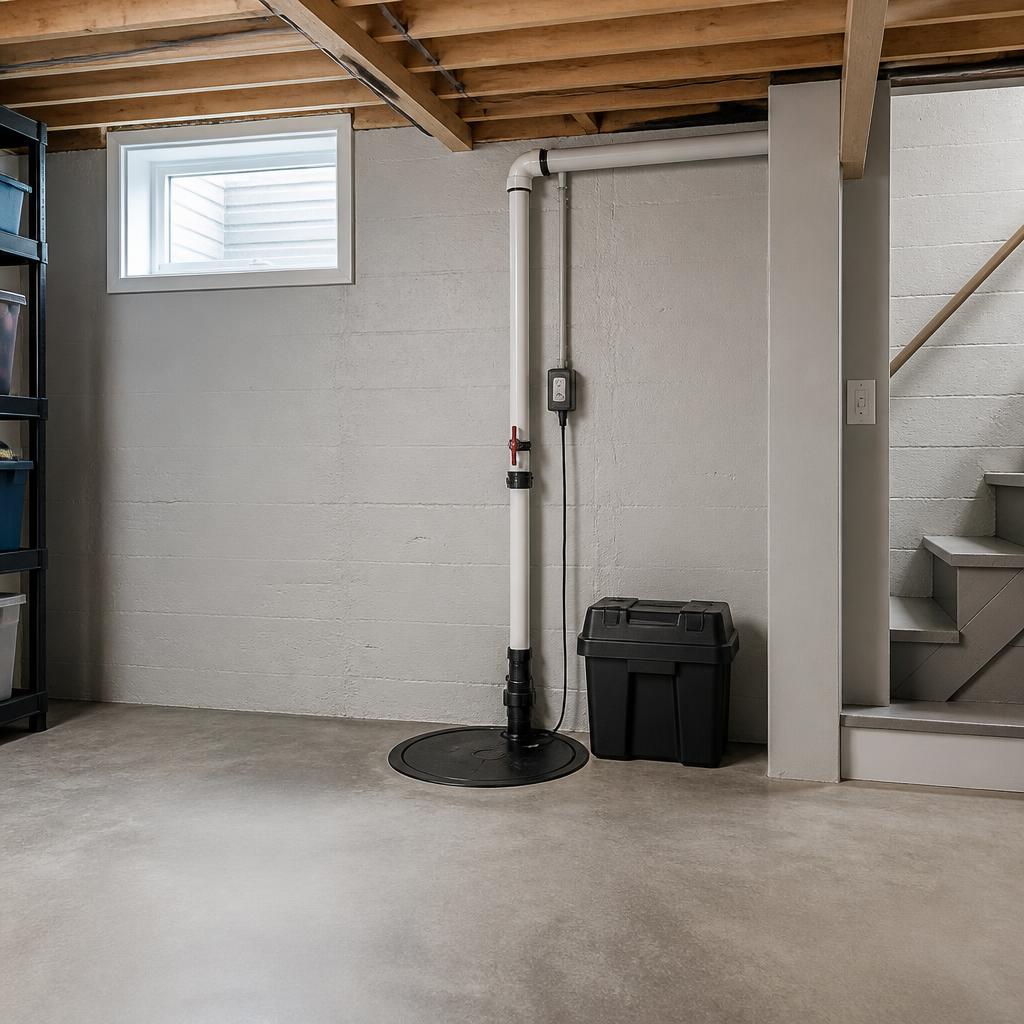
Sump pump repairs in Barrhaven depend on the symptom, the water entering the pit, and where the discharge goes. Use this guide to make safe observations, understand the repair-versus-replacement questions, and check Ottawa’s current guidance before changing a discharge route.
When does a sump pump problem need repair?
A pump that will not start as water rises, runs for an unusually long time, starts and stops repeatedly, or makes noise without visibly moving water deserves attention. These clues can involve the pump itself, its float switch, power supply, check valve, discharge, or the amount of water entering the pit. A sound or warning light is useful evidence, but it is not a diagnosis.
A sump pump moves water collected in its basin; it is not a fix for every source of basement water. It is also different from an ejector pump serving a basement bathroom and from a backwater valve that helps protect against sewer surcharge. If water appears at a fixture, floor drain, pipe, or wall rather than from the sump area, note that distinction when asking for help.
Start with the conditions around the symptom, not an assumption about Barrhaven houses. Record whether it happened during rain, snowmelt, a power interruption, or otherwise dry weather. Homes and drainage arrangements vary across the neighbourhood, so an area name alone cannot identify the cause.
Match the symptom to the next question
Different faults can look alike from the basement floor. This table is a way to organize what you notice before service; it is not a do-it-yourself diagnosis or a reason to open electrical equipment.
| What you observe | Possible area to investigate | What to note |
|---|---|---|
| Water rises while the pump stays quiet | Power, float movement, switch, or pump condition | Whether an alarm is on and whether the pump has power, if that can be observed from a dry, safe place. |
| A hum, but little or no visible discharge | Pump movement, check valve, or discharge route | The sound, how long it lasts, and whether the outdoor outlet is visibly blocked. |
| The pump keeps running after the weather clears | Float position, continued inflow, or discharge | When it began, whether the basin level changes, and how long the run continues. |
| The pump starts and stops every few moments | Float setting, basin conditions, or water returning through the line | Approximate cycle pattern and whether the water level seems to fall between starts. |
| An alarm or backup indicator activates | Primary pump, backup system, battery, or power | Which indicator changed and what the equipment manual says it means. |
What can a homeowner safely check before calling?
Stay on dry ground and keep away from standing water if cords, outlets, appliances, or electrical equipment may be wet. Do not step into a flooded area, reach into the basin, remove the pump, or handle wiring. If a breaker or ground-fault device trips, do not keep resetting it; get qualified help, especially if water is near electrical components.
From a safe position, note whether the basin water is rising, whether the pump is audible, and whether an alarm or backup indicator has changed. If the outdoor discharge outlet is visible and safely accessible, record whether snow, debris, or an obvious obstruction is present. Do not dismantle the line or try to thaw it with heat.
The pump model, installation records, prior repairs, and dates of earlier alarms can save time. A photo or short video taken from a dry, safe location may help explain the symptom, but it should never delay urgent help when water is rising.
- Write down when the problem began and what the weather or power conditions were.
- Record whether the water level rises, falls, or stays the same while the pump runs.
- Note alarm lights or backup-system indicators without opening equipment.
- Find the model information or service paperwork only if it is dry and easy to reach.
- Move people away from water near electricity and request qualified assistance.
Why do Ottawa weather and discharge routing matter?
Rain and seasonal snowmelt can change how much water reaches a foundation drainage system. A pump may run more during a wet period without being broken, but repeated water entry, an overflowing basin, or a discharge problem needs an assessment of the whole route. These conditions are not unique to Barrhaven, and they cannot be predicted from a neighbourhood label.
The City of Ottawa’s current basement-flooding guidance says foundation drains should direct water to the storm sewer or a sump pump, not to the sanitary sewer. It also says a sump pump should discharge to the storm sewer or to the ground at least 1.2 metres from the foundation. Check the City’s guidance and your property’s actual setup before changing or extending a line.
A new pump alone may not solve water that is returning toward the foundation, entering through another route, or connected to a separate plumbing issue. Have a qualified professional confirm the basin, pump, float, check valve, power, discharge path, and likely water source before approving a wider repair.
If symptoms seem connected to runoff rather than basin equipment, compare the Ottawa exterior-renovation planning guide and note where water appears.
How should you compare repair, replacement and backup options?
Ask the technician to explain what failed and how the cause was confirmed. A repair may involve a switch, check valve, obstruction, electrical fault, or pump component; replacement may be considered if the pump is damaged, unreliable, unsuitable for the observed conditions, or difficult to repair. There is no universal age or symptom that makes replacement the right choice for every system.
If a failure has happened before, ask what changed since the earlier service and whether the underlying cause was addressed. If a backup is being proposed, ask what it is designed to do during the specific failure or outage you are concerned about, how it connects to the existing system, how it is tested, and what maintenance it requires. Battery condition, alarms, service access, and the discharge route all belong in that conversation.
Compare written scopes rather than a single equipment label. The quote should identify the diagnosis, included parts and labour, any discharge or electrical work, testing after service, exclusions, warranty terms, and the homeowner’s maintenance responsibilities. Repair pricing depends on the fault and access; do not rely on a neighbourhood-wide average.
- What observation confirms the failed part or condition?
- What work is included, and what could require separate approval?
- Will the pump and discharge be checked together after the repair?
- If adding backup, what failure is it intended to cover and how is it tested?
- What written warranty, maintenance instructions, and service records will you receive?
How can you prepare for sump pump repairs in Barrhaven?
Describe the exact behaviour: no start, continuous running, short cycling, a new sound, an alarm, or water that remains in the basement. Include when it began, whether water was rising, the recent weather or power conditions, the pump model if known, any backup equipment, and previous repairs. This gives a plumber a clearer starting point without asking you to diagnose the system.
Before work begins, ask what will be inspected, what the proposed repair is expected to address, and how the pump will be tested afterward. Confirm whether discharge routing, the check valve, alarm, or backup system is inside the quoted scope. If the cause may be outside the pump, ask what other assessment is needed and who should perform it.
For homeowners comparing a local service option, review Plumbing Now’s Barrhaven sump-pump service page as one place to start. This guide does not rank or endorse a contractor; confirm current service scope, availability, qualifications, insurance, and written terms directly before booking.
Three checks before the room closes.
Map the route
Name the fixture, drain, vent, floor, and access conditions before the finish is chosen.
Confirm the work
Separate building, plumbing, electrical, use, and inspection questions with the right source.
Protect the future
Keep pumps, shutoffs, cleanouts, and service records reachable after the room is complete.
Sump pump repairs in Barrhaven FAQ
When should I call a plumber about a sump pump?
Call when the pump will not start as water rises, runs continuously, cycles repeatedly, triggers an alarm, or leaves water in the basement. If water is near electricity, keep clear and seek qualified help.
Can I repair or test my sump pump myself?
You can record visible symptoms from a dry, safe position, but do not reach into the basin or handle wiring. Follow the equipment manual for any test, and leave electrical or mechanical repairs to a qualified professional.
Does a sump pump prevent every kind of basement flood?
No. A sump pump handles water routed to its basin; it does not fix every foundation leak, plumbing leak, surface-water problem, or sewer backup. The water source and discharge path need to be identified.
How much do sump pump repairs in Barrhaven cost?
There is no reliable Barrhaven-wide price. The diagnosis, parts, pump model, access, discharge work, backup equipment, and testing all affect the scope, so request a written, itemized quote.
Where should a sump pump discharge?
The City of Ottawa says discharge should go to the storm sewer or to the ground at least 1.2 metres from the foundation. Check current City guidance and have the property’s actual routing confirmed before changing it.