Drain Repair in Ottawa: Clogs, Sewer Lines and What to Expect
Drain repair in Ottawa starts with locating the problem, not guessing from one slow fixture. A single sink, several fixtures, and a basement floor drain backing up point to different parts of the system. This guide explains safe first checks, professional diagnosis, repair choices, and Ottawa’s public-versus-private service-line responsibilities.
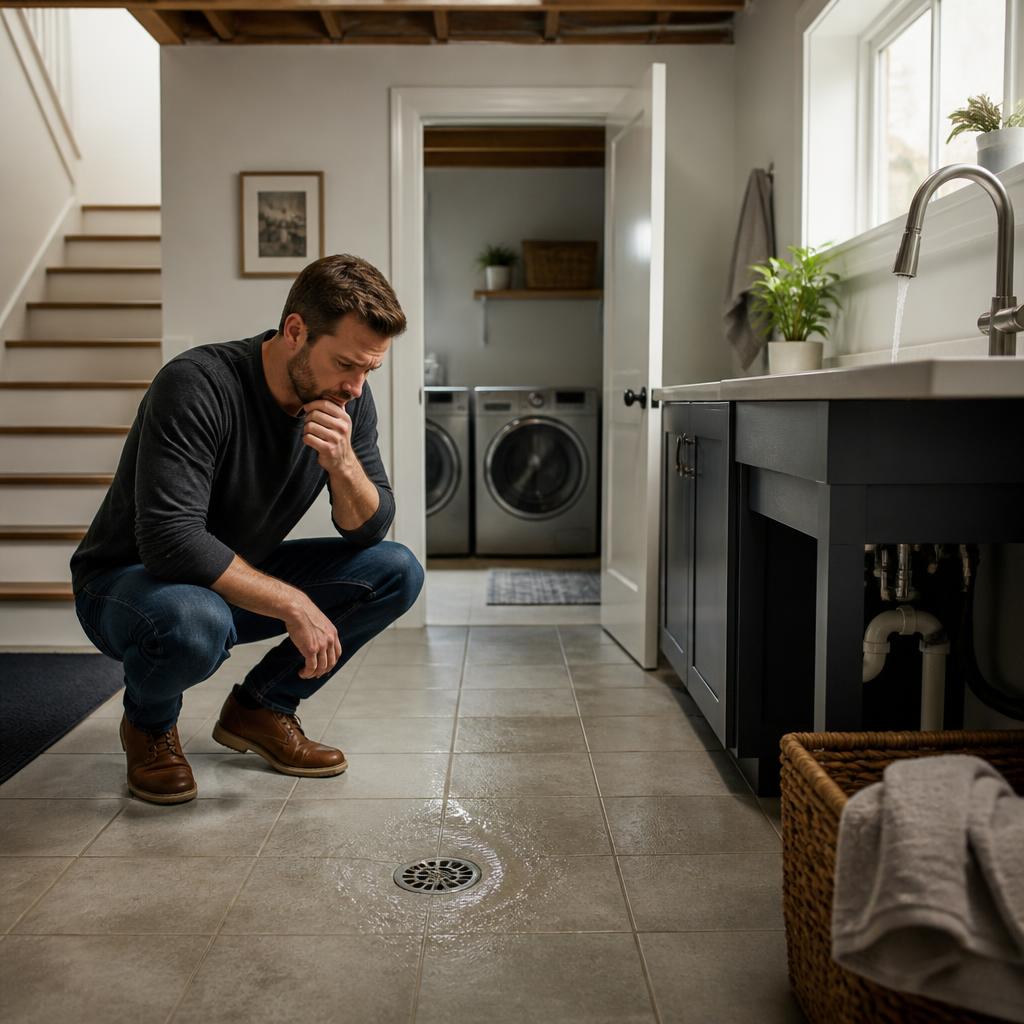
Use this guide to distinguish a local clog from a possible main-drain or sewer-lateral issue, understand camera inspection and repair options, and compare written estimates. It focuses on homeowner decisions rather than promising a fixed price or a universal repair.
What does a drain problem tell you?
A slow drain is a symptom, not a diagnosis. Hair, grease, soap residue, food waste, foreign objects, pipe scale, a damaged section, or a blockage farther downstream can all affect flow. A clog that returns quickly after plunging may be deeper than the fixture trap or may reflect a pipe condition that needs inspection.
Pay attention to timing and location. Note which sink, tub, shower, toilet, laundry standpipe, or floor drain is affected, whether the sound is gurgling, and whether the problem changes when another fixture runs. Record any recent renovation, heavy rainfall, backup, or outdoor work that may be relevant. These observations help a drain repair professional choose an appropriate first test.
Stop using affected fixtures if wastewater is backing up or an overflow is possible. Keep people and pets away from sewage, and do not mix cleaning products. If multiple fixtures fail together or water appears at the basement floor drain, treat it as a possible main drain or sewer problem rather than continuing to add water.
Is it one fixture or the main drain?
A clog limited to one sink or tub can be close to that fixture, such as the stopper, trap, or branch line. If several fixtures in different rooms slow down together, a shared branch, building drain, or service lateral may be involved. Toilets that gurgle when a nearby fixture drains can also suggest a downstream restriction, but symptoms alone cannot identify the exact location.
A basement floor drain backing up is a warning to stop running water and get professional guidance. If the backup appears during heavy rain, the relationship to the sanitary or storm system still needs to be assessed; do not assume the cause from weather alone. Ottawa’s City response process may include inspection of the public sewer and a separate check of the home drain or lateral.
Avoid repeated flushing to “test” a suspected blockage. One controlled observation—what happened, where, and when—is more helpful than sending more water into a system that may already be restricted. If the water level is rising, contain access to the affected area and call for urgent assistance.
Which first checks are safe?
For one sink, remove visible debris from an accessible stopper and clean the fixture strainer if the manufacturer’s instructions allow it. A plunger may help with a simple local clog when the fixture is not already full of chemical cleaner and there is no sewage backup. Use controlled force and stop if water rises elsewhere, the fixture leaks, or the blockage does not respond.
Do not combine chemical drain cleaners, bleach, acids, or other products. They can create dangerous reactions, leave caustic liquid in a fixture, and expose the next person who opens the pipe. Tell the plumber exactly what product was used and when. Avoid inserting rigid objects or rental machinery into an unknown pipe, especially if there is a risk of damaging a trap, older pipe, or hidden connection.
A blockage outside the home requires extra caution. Enbridge Gas warns that utility lines can cross sewer pipes and advises arranging a sewer safety inspection before clearing an exterior sewer blockage. This cross-bore risk is one reason not to use powered equipment or high-pressure cleaning outside until the required utility-safety steps have been completed.
How does a plumber diagnose a drain problem?
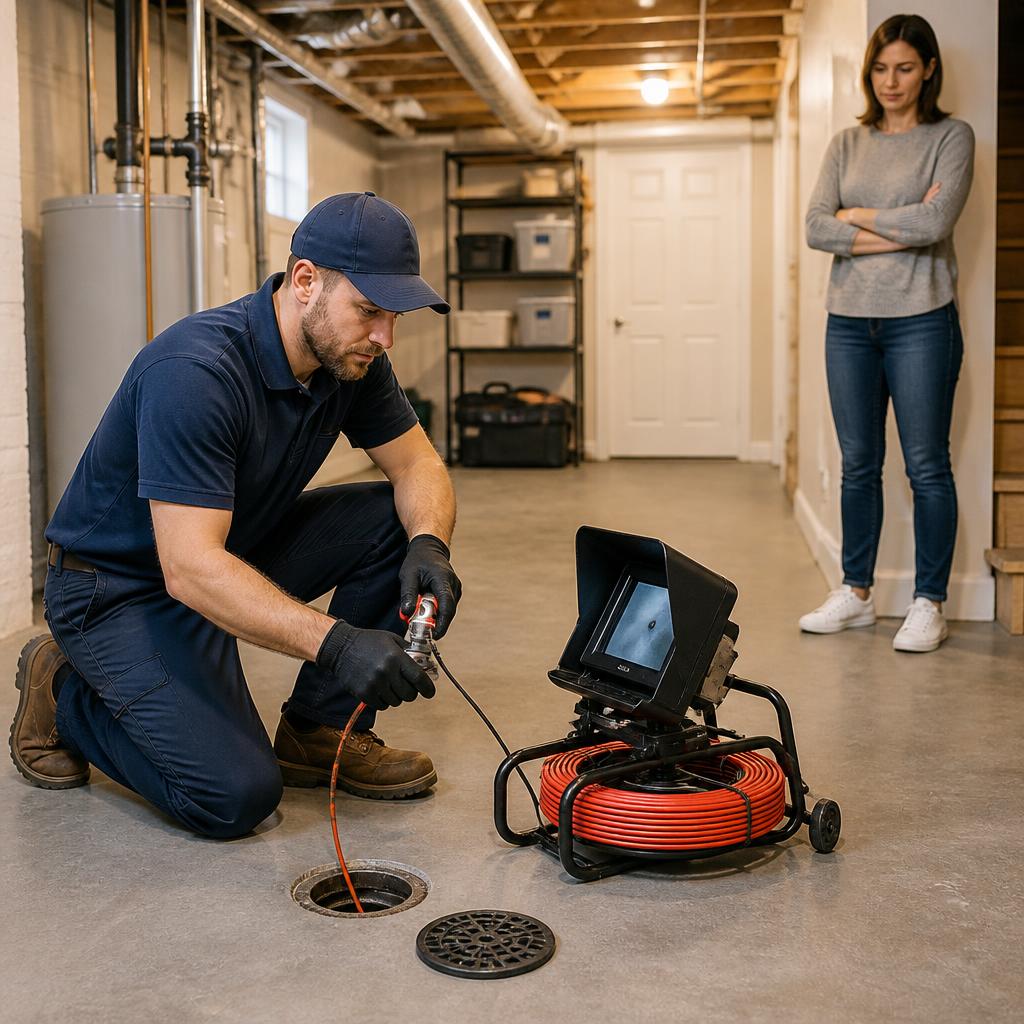
A professional may begin by asking which fixtures are affected, inspecting accessible cleanouts, checking the trap and branch, and testing flow. For a recurring or main-line problem, a camera inspection can show the interior condition and location of a blockage or defect. Ask what the camera can and cannot establish, and whether the recording or still images will be provided with the report.
Inspection quality depends on access and conditions. Standing water, debris, a tight bend, or a damaged pipe may prevent a clear view. A camera finding should be explained in plain language and tied to a location or measurable distance where possible. If the recommendation is excavation or lining, ask what evidence supports that method and whether a second opinion is reasonable for a major repair.
A cleaning visit and a repair diagnosis are not always the same scope. Clearing a clog may restore flow without proving why it formed or whether the pipe is structurally sound. For repeated backups, ask whether the cause is grease, roots, scale, a belly, separated joint, break, or another obstruction—and what follow-up is justified by the inspection.
What drain and sewer repair options may be considered?
Mechanical snaking or augering may clear a localized obstruction. Hydro jetting may be considered for certain buildup when the pipe material and condition can tolerate it. Camera inspection may help locate roots or a defect. These methods are not interchangeable, and a contractor should explain why the proposed technique is suitable for the age, material, diameter, and condition of the line.
If inspection shows a defect rather than a removable clog, options may include a targeted repair, replacement of a section, or a trenchless rehabilitation method where the pipe and access conditions support it. A damaged line may still require excavation. Ask whether connections, cleanouts, landscaping, driveway surfaces, and restoration are included in the quoted scope.
Request a written comparison when more than one approach is viable. It should describe the evidence, access method, work area, expected interruption, permits or utility coordination, restoration, testing, and warranty. A method described as “no dig” may reduce excavation in some situations but should not be treated as a guarantee that no digging or surface work is required.
Who is responsible for an Ottawa sewer lateral?
Ottawa divides responsibility along the service line. The City’s published guidance says it owns and maintains the water service from the watermain to the shut-off valve, while the property owner is responsible from that valve to the home. For sanitary and storm sewer services, the City’s portion runs from the sewer main to the property line; the owner’s portion runs from the property line to the home.
That division does not mean every backup can be assigned by looking at a map or a symptom. The City says a basement-flooding report may require staff to inspect the nearby public sewer and review the available information before responsibility for a lateral is determined. Contact the City when a public main or lateral may be involved, and ask whether an inspection or reference number is needed before private repair work begins.
Keep the contractor’s camera report, location notes, photos, City communications, and any utility-locate information. Before excavation, confirm required locates and approvals with the responsible authorities and contractor. Do not assume that an insurance policy, warranty, or municipal program covers a private repair; check eligibility and terms directly.
How should you compare drain repair estimates?
Compare the same scope rather than headline totals. Ask whether the estimate includes diagnosis, camera inspection, cleaning, repair materials, access, disposal, utility coordination, permit-related work, backfill, and restoration. Separate the cost of immediate clearing from the cost of repairing a damaged pipe so you can see what each option solves.
Ask what happens if the camera reveals a different condition, the line cannot be accessed, or the proposed method does not work. A useful estimate states assumptions, exclusions, payment timing, and the approval process for additional work. For excavation, clarify who is responsible for locating utilities, protecting the site, and restoring landscaping or paving.
Plumbing Now publishes drain-cleaning and repair-related services for Ottawa. Compare its published service details with other written scopes and confirm current diagnostic methods, pricing, availability, and warranty terms directly. This reference is not a ranking or a guarantee of a particular outcome.
Plumbing Now lists local drain services; review its Ottawa drain cleaning service and compare the documented diagnosis, method, exclusions, and restoration with other proposals.
How can you reduce repeat drain problems?
Use sink strainers, keep grease and cooking oil out of drains, and follow appliance and fixture instructions. Avoid flushing wipes, paper towels, hygiene products, or other items not intended for the system. These habits can reduce common clogs, but they cannot correct a broken, offset, or poorly graded pipe.
If the same drain blocks repeatedly, keep a dated record of symptoms, cleaning visits, camera findings, and repairs. Ask whether routine maintenance is appropriate for the diagnosed pipe, rather than purchasing a recurring service without a reason. If tree roots or structural defects are present, ask how the proposed repair addresses recurrence.
After work, request the final invoice, camera record where applicable, repair location, product information, and written warranty. Keep cleanouts accessible and note where they are before landscaping or storage changes. If symptoms return, stop adding water and use the prior report to explain what changed.
How drain repair is investigated

Drain Repair in Ottawa FAQ
How do I know if I need drain repair in Ottawa?
Recurring clogs, several fixtures draining slowly together, gurgling, sewage odours, or wastewater backing up through a floor drain warrant professional assessment. Symptoms help narrow the location but do not diagnose the pipe.
What does it mean when multiple drains clog at once?
Several affected fixtures may share a branch, building drain, or service lateral. Stop using water if a backup is possible and contact a plumber; a camera inspection may be recommended.
Who is responsible for a sewer lateral in Ottawa?
The City describes its sewer responsibility as extending from the sewer main to the property line; the owner is generally responsible from the property line to the home. Confirm the specific location and responsibility with the City.
Is camera inspection always needed for a clogged drain?
No. A simple local clog may not require a camera. For repeat blockages, multiple fixtures, or suspected pipe damage, ask whether inspection would change the diagnosis or repair recommendation.
Should I use chemical drain cleaner before calling a plumber?
Avoid mixing products and tell the plumber if any chemical was used. Caustic liquid can remain in a fixture or pipe and create exposure risk during service; follow product label directions and seek professional advice.
Can a sewer line be cleared with a machine from outside?
Do not clear an exterior sewer blockage before checking utility-safety requirements. Enbridge Gas warns about cross-bores and recommends a sewer safety inspection before outside clearing work.