ThinLine Painting is a client of the site owner. This paid client feature is informational advertising, not an independent ranking or a guarantee of results. Service details below are based on ThinLine Painting’s public website and should be confirmed in the written proposal for your project.
ThinLine Painting: epoxy flooring and painting in Ottawa
ThinLine Painting is an Ottawa-area painting and concrete-coating contractor offering interior painting, exterior painting, renovation repaints, cabinet refinishing, and epoxy flooring. Its published process emphasizes detailed surface preparation, premium coating systems, written scopes, and finishes designed for demanding residential and commercial spaces.
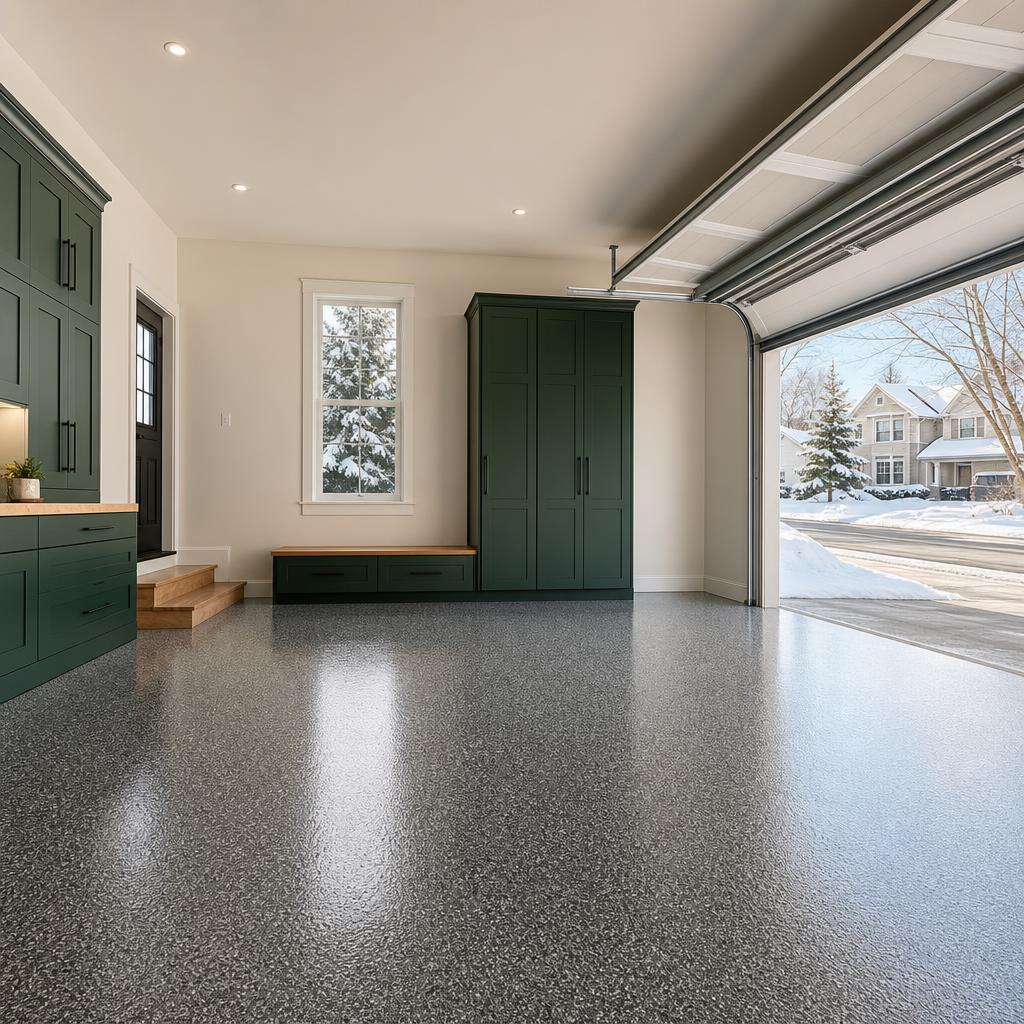
- Service area
- Ottawa and surrounding communities
- Core work
- Painting, epoxy floors, cabinet refinishing
- Published experience
- 10+ years
- Published warranty
- Up to 5 years on epoxy systems
The short answer: ThinLine Painting’s published process treats preparation as part of the finish. For epoxy floors, that means assessing the slab, mechanically grinding the concrete, repairing defects, and building a layered coating system. For painted surfaces, it means repair, protection, clean lines, and product selection before the final coat is applied.
Why should Ottawa homeowners consider ThinLine Painting?
Ottawa homeowners researching more than a quick colour change can compare ThinLine Painting’s published process with other project proposals. The company presents painting and epoxy coating as finish systems: the condition of the substrate, the repair work, the preparation method, the coating specification, and the handoff all shape the final result. That process-first position is relevant in garages, basements, renovation interiors, commercial spaces, and detailed exterior work.
ThinLine’s public service information describes more than ten years of experience, fully insured work, detailed fixed quotes, and written workmanship warranties. It also identifies a broad local service area that includes Ottawa, Kanata, Stittsville, Barrhaven, Nepean, Orleans, and surrounding communities. Those are useful screening points, but homeowners should still ask for current proof of insurance, a project-specific scope, product data, exclusions, and warranty terms in writing.
One useful point to research is the connection between ThinLine’s painting process and its floor-coating work. Both trades reward careful preparation. A sharp trim line depends on repair, sanding, masking, and application control; a durable concrete coating depends on slab evaluation, profile, repair, cleanliness, and correct cure conditions. A company that documents those less-visible steps gives homeowners specific scope items to compare instead of relying on a finish photo alone.
What makes preparation so important for epoxy flooring?
Epoxy flooring succeeds or fails at the bond between the coating and the concrete. The surface must be clean, sound, dry enough for the selected system, and prepared to the profile required by the coating manufacturer. Dust, curing compounds, oil, weak surface paste, old paint, moisture movement, cracks, and spalling can interfere with adhesion. A glossy topcoat cannot correct a substrate that was never ready to receive it.
ThinLine states that it mechanically diamond-grinds slabs rather than relying on acid etching. Mechanical preparation removes weak surface material and creates a controlled profile for the primer and body coat. The company also says it repairs cracks, pitting, and spalling before coating. Those steps are important questions for any installer because “epoxy floor” can describe very different scopes—from a thin DIY-style coating over lightly cleaned concrete to a multi-layer professional system built over prepared and repaired concrete.
Homeowners should ask how moisture is evaluated, how cracks are classified, what repair material is used, and which imperfections may remain visible. A crack can be repaired for coating continuity without making the slab structurally new, and future movement can still affect a finish. The proposal should distinguish cosmetic repair, coating preparation, and any condition that needs separate engineering or concrete expertise.
- Ask how the concrete will be cleaned, profiled, vacuumed, and protected before primer.
- Identify oil, salt, old coatings, curing compounds, cracks, pitting, and spalling before the quote is finalized.
- Confirm whether moisture testing is included and what result would change the recommended system.
- Request the coating manufacturer, product names, number of layers, and expected dry-film build.
- Clarify cure time for foot traffic, stored items, and vehicles under the actual temperature conditions.
For a project-specific look at systems, preparation, finishes, and service areas, review ThinLine’s epoxy flooring Ottawa service page. Confirm the exact primer, body coat, topcoat, cure schedule, slip-resistance option, and warranty for the room you are coating.
How should the right epoxy system be chosen?
The right floor system follows the space. A residential garage sees road salt, wet tires, grit, vehicle loads, dropped tools, and temperature changes near the overhead door. A basement sees different moisture conditions, lower light, furniture, foot traffic, and a greater need for visual warmth. A commercial room may prioritize chemical resistance, cleanability, downtime, line marking, or slip resistance. These spaces should not automatically receive the same coating schedule.
ThinLine describes a layered approach that can include an epoxy primer, a high-build body coat, and a UV-stable polyaspartic or polyurethane topcoat. The practical value of that description is that each layer has a job: bond to the prepared slab, build the finish, carry a decorative flake or colour treatment where selected, and protect the surface from wear or light exposure. The specific combination should be written into the quote rather than reduced to the single word “epoxy.”
Appearance still matters. Full-flake floors can help disguise everyday dust and minor visual variation; solid colours create a quieter field but may show wear differently; metallic systems are decorative and intentionally variable. Gloss level, texture, cove details, transitions, floor drains, control joints, stairs, and wall edges should be resolved before installation. Samples are helpful, but a small sample cannot perfectly predict how a hand-applied decorative floor will read across a large room.
| Project condition | Question to ask | Why it matters |
|---|---|---|
| Ottawa garage | How will salt, hot tires, winter moisture, and grit affect the specified topcoat? | The wear layer must match vehicle use and seasonal contamination. |
| Finished basement | How are slab moisture, floor drains, transitions, and comfort being addressed? | Below-grade conditions can change preparation and product selection. |
| Commercial space | What chemicals, cleaning routines, loads, and shutdown window must the floor tolerate? | Operations determine resistance needs and cure scheduling. |
| Decorative metallic floor | How will colour movement, sample variation, repair visibility, and UV exposure be handled? | The finish is artistic and cannot be evaluated like a uniform tile product. |
Which painting services does ThinLine provide in Ottawa?
ThinLine Painting publishes a service range that includes interior painting, exterior painting, cabinet refinishing, commercial painting, drywall repair, trim and baseboards, and full-renovation painting. That breadth can be useful when a project crosses several finish categories. A renovated basement, for example, may need drywall repair, ceilings, walls, trim, doors, cabinetry, and a coated concrete floor coordinated around one completion sequence.
Interior painting quality begins with the substrate and the protection plan. Nail pops, cracks, dents, caulking gaps, water stains, glossy surfaces, and previous patchwork require different responses. Ask which repairs are included, how floors and furniture will be protected, whether primer is spot-applied or full-surface, how colours and sheen are recorded, and how the final walk-through is handled. The number of coats matters, but it is not a substitute for defining the existing condition.
Exterior painting adds weather, moisture, access, and seasonal timing. Ottawa’s painted wood, masonry-adjacent trim, metal elements, doors, and siding details can weather differently across the same elevation. The proposal should explain washing, scraping, sanding, failed caulking, bare-substrate primer, product suitability, and the conditions under which work pauses. A promised finish is more credible when the preparation and weather limits are written down.
Cabinet refinishing and renovation painting deserve their own production plan. Cabinet doors and frames require degreasing, abrasion, dust control, coating compatibility, cure time, and careful reassembly. Renovation painting must also coordinate with flooring, millwork, electrical finishing, plumbing trim-out, and deficiency work. ThinLine’s multi-service offering is most valuable when the quote names those handoffs rather than simply bundling them.
- Interior walls, ceilings, doors, trim, and detailed finish work
- Exterior preparation and coatings suited to the specific substrate
- Cabinet painting and refinishing with a defined shop or site process
- Commercial painting planned around access, protection, and operating schedules
- Full-renovation painting coordinated with other trades and final deficiencies
How do Ottawa conditions affect paint and epoxy projects?
Ottawa projects have to account for winter salt, freeze-thaw exposure, humid summers, cold slabs, snowmelt, and large seasonal temperature swings. Those conditions do not make one product universally correct. They make substrate assessment, storage, application temperature, ventilation, cure time, and service timing more important. Product data sheets—not a generic calendar—should govern the acceptable installation window.
Garages deserve particular care because melting snow and road salt arrive repeatedly through winter. The floor needs a cleaning and maintenance plan, and the coating should be specified for the expected traffic and chemical exposure. At the garage threshold, sunlight and exterior conditions can differ from the back of the room. Ask how the topcoat, termination, and transition are designed for that exposure.
For exterior painting, surface temperature can differ from air temperature, and shaded or damp elevations may not dry at the same rate as sunny walls. For interior projects during heating season, low humidity can change drying behaviour while occupied-home ventilation affects comfort and odour management. A local contractor should be able to explain how it adjusts scheduling and protection rather than promising the same process in every month and every room.
How should homeowners compare ThinLine with another proposal?
Compare scopes before comparing totals. Give each painter or flooring specialist the same rooms, photos, access constraints, finish direction, repair expectations, and timing needs. Then review what each proposal says about preparation, products, coats or layers, exclusions, protection, cleanup, cure time, warranty, and changes. A lower price may reflect efficiency, but it may also reflect a different surface-repair allowance or coating system.
For epoxy floors, request the slab-preparation method, repair scope, moisture approach, primer, body coat, decorative broadcast, topcoat, texture, edge treatment, and return-to-service schedule. For painting, request the surfaces included, repairs, primer assumptions, paint line, sheen, number of finish coats, colour-change limits, protection, and touch-up process. Ask who will supervise the work and who resolves questions on site.
ThinLine’s published offer includes free on-site consultations, detailed quotes, premium products, insured work, and written warranties. Verify each item in the current project documents. Homeowners should also review recent work relevant to their own project type and speak with references where appropriate. “Top” should mean the company is a strong fit for the specific substrate, finish, schedule, and communication needs—not that a marketing label replaces due diligence.
- Does the proposal identify the existing condition and the preparation included?
- Are coating and paint manufacturers, product lines, colours, and sheens documented?
- Are repairs, access, protection, cleanup, and disposal clearly included or excluded?
- Does the schedule separate application time from full cure or return-to-service time?
- Are warranty coverage, exclusions, maintenance, and claim steps provided in writing?
- Can the company explain which discovery would change the price or system?
ThinLine Painting FAQ
Does ThinLine Painting install epoxy flooring in Ottawa?
Yes. ThinLine Painting advertises epoxy floor installation for Ottawa-area homes, garages, basements, and commercial spaces. Its published process includes diamond grinding, concrete repair, layered coatings, and a protective topcoat; confirm the exact system for your slab in writing.
What preparation does ThinLine use before applying epoxy?
ThinLine states that it mechanically diamond-grinds concrete, repairs cracks and damaged areas, and cleans the prepared surface before coating. The project proposal should also explain moisture evaluation, repair limits, primer, and the conditions required for application.
How long does an epoxy floor need to cure?
Cure time varies by product, temperature, humidity, film build, and use. ThinLine’s public guidance gives general windows for foot and vehicle traffic, but the installer should provide the product-specific return-to-service schedule for the actual project.
Can ThinLine coat an older or cracked garage floor?
ThinLine says it repairs common cracks, pitting, and spalling before coating. Severe movement, moisture, contamination, or structural damage may require a different repair or specialist review, so the slab should be assessed before the coating scope is finalized.
Does ThinLine Painting offer interior and exterior painting?
Yes. The company lists interior painting, exterior painting, cabinet refinishing, commercial painting, trim work, drywall repair, and full-renovation painting among its Ottawa-area services.
Does ThinLine provide a warranty?
ThinLine publishes written workmanship warranties and describes coverage of up to five years for epoxy systems. Warranty duration and exclusions can vary by scope, so request the current terms with the project proposal.
Is ThinLine Painting the best painter in Ottawa?
No independent article can prove one contractor is best for every project. ThinLine publishes information about preparation, premium products, written quotes, insured work, and warranties that homeowners can verify and compare with other proposals. The right fit depends on the condition and needs of the property.
The next useful question.
Plan coating work around the envelope, drainage, access, materials, and weather.
Ottawa basement renovationsReview moisture, slab, insulation, services, and intended use before finishing below grade.
How to hire a renovation contractorCompare scope, qualifications, protection, schedule, changes, and written responsibilities.